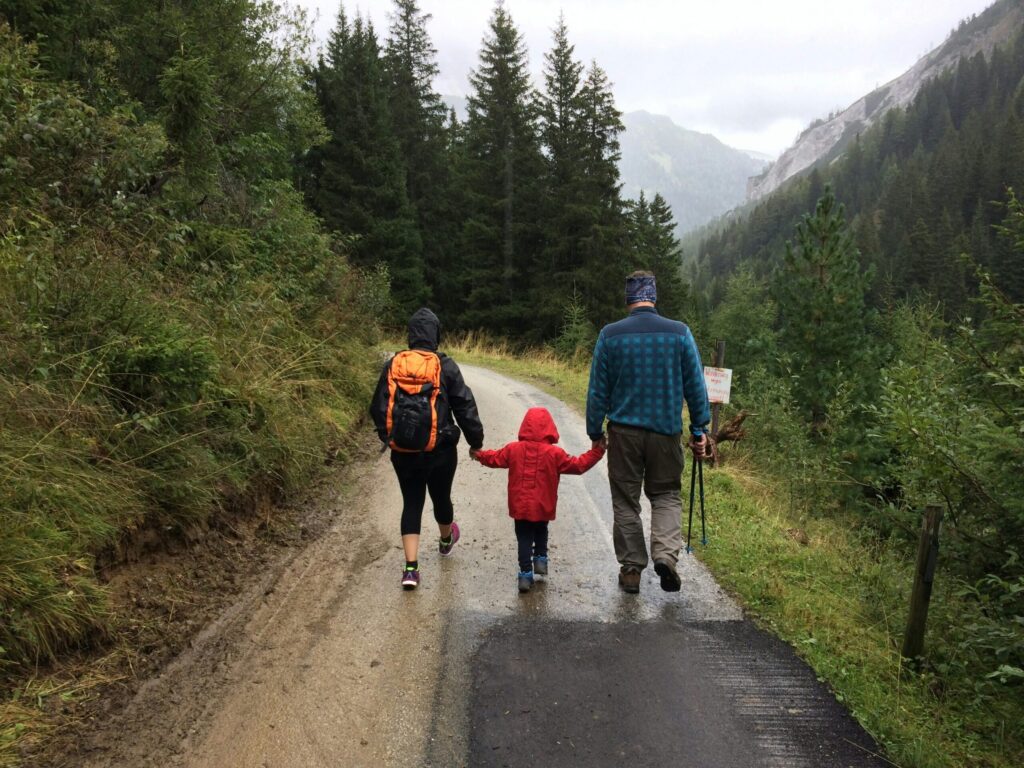


The recommended age for starting skiing is around 3 years old. However, it always depends on the child’s physical and mental development. Before the first lesson, it’s important to assess basic motoric skills, the ability to understand simple instructions, and how well the child can handle movement on skis.
When to Start the First Lesson?
Some children are ready for the slopes much earlier, while others need more time. For both groups, skiing should be more about play and getting used to sliding on snow than about structured instruction like adults receive, which often includes technical explanations and muscle mechanics. A child should never be forced into skiing or overwhelmed with too much information. The goal is to keep it fun, natural, and stress-free.
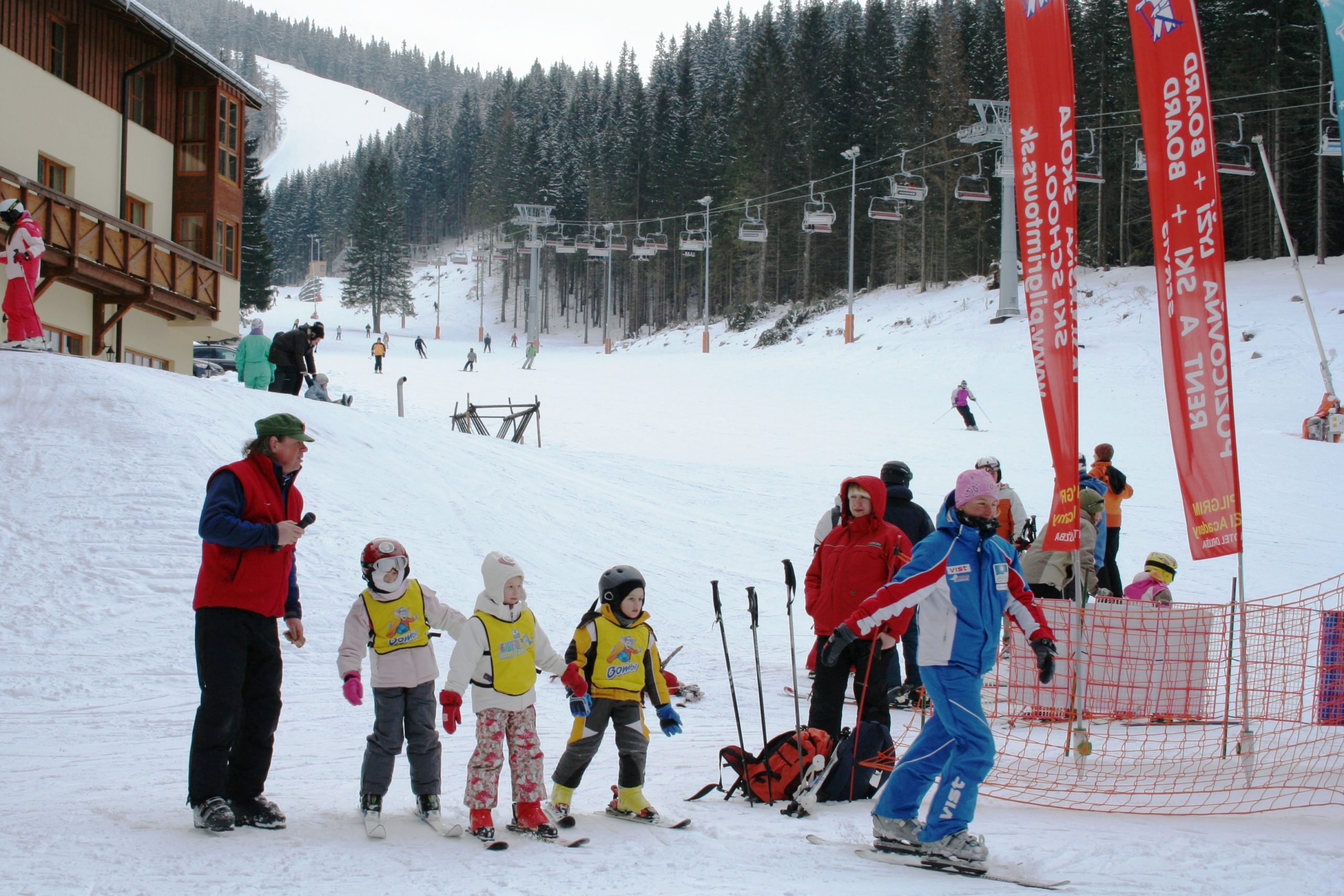
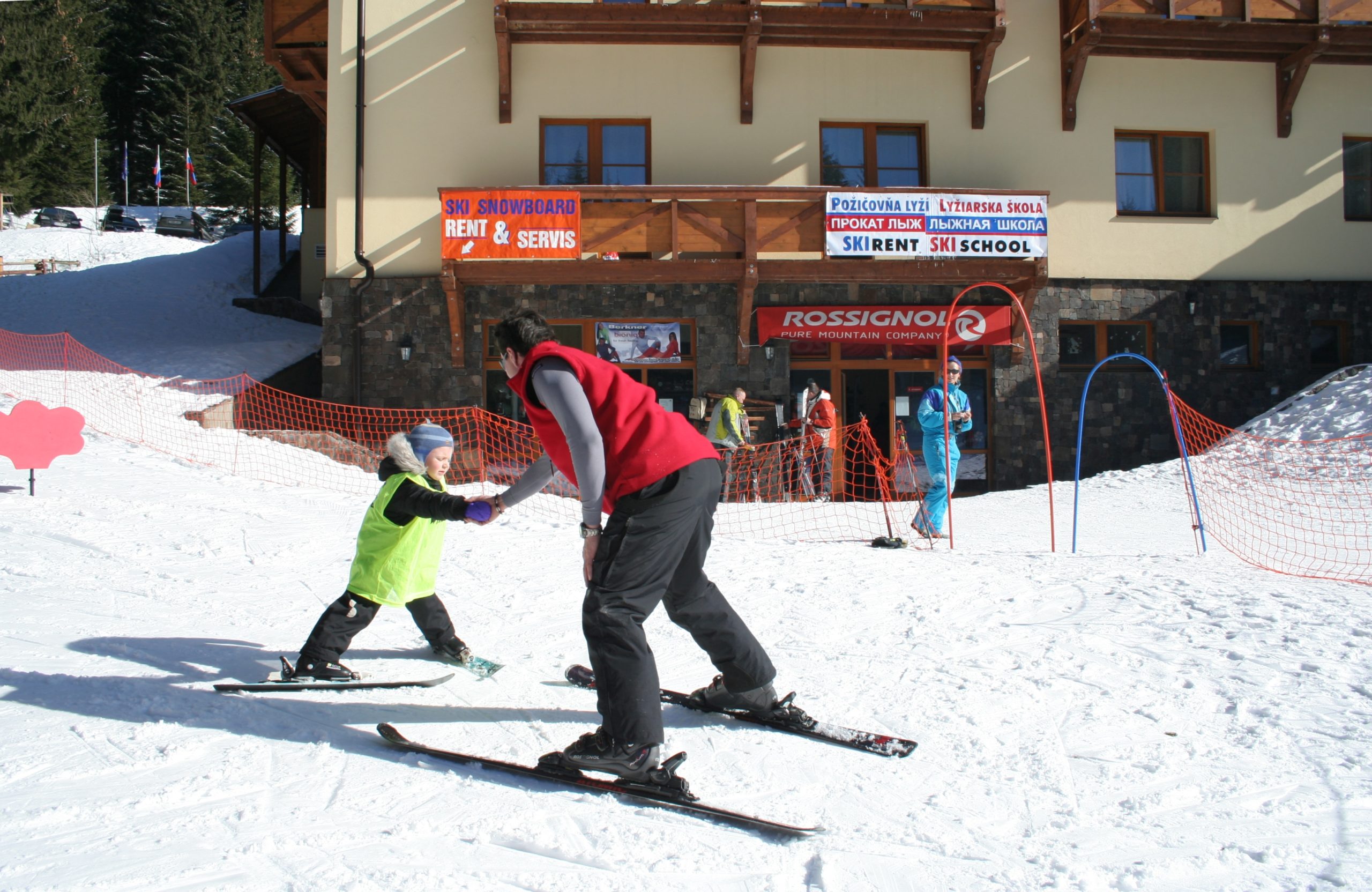
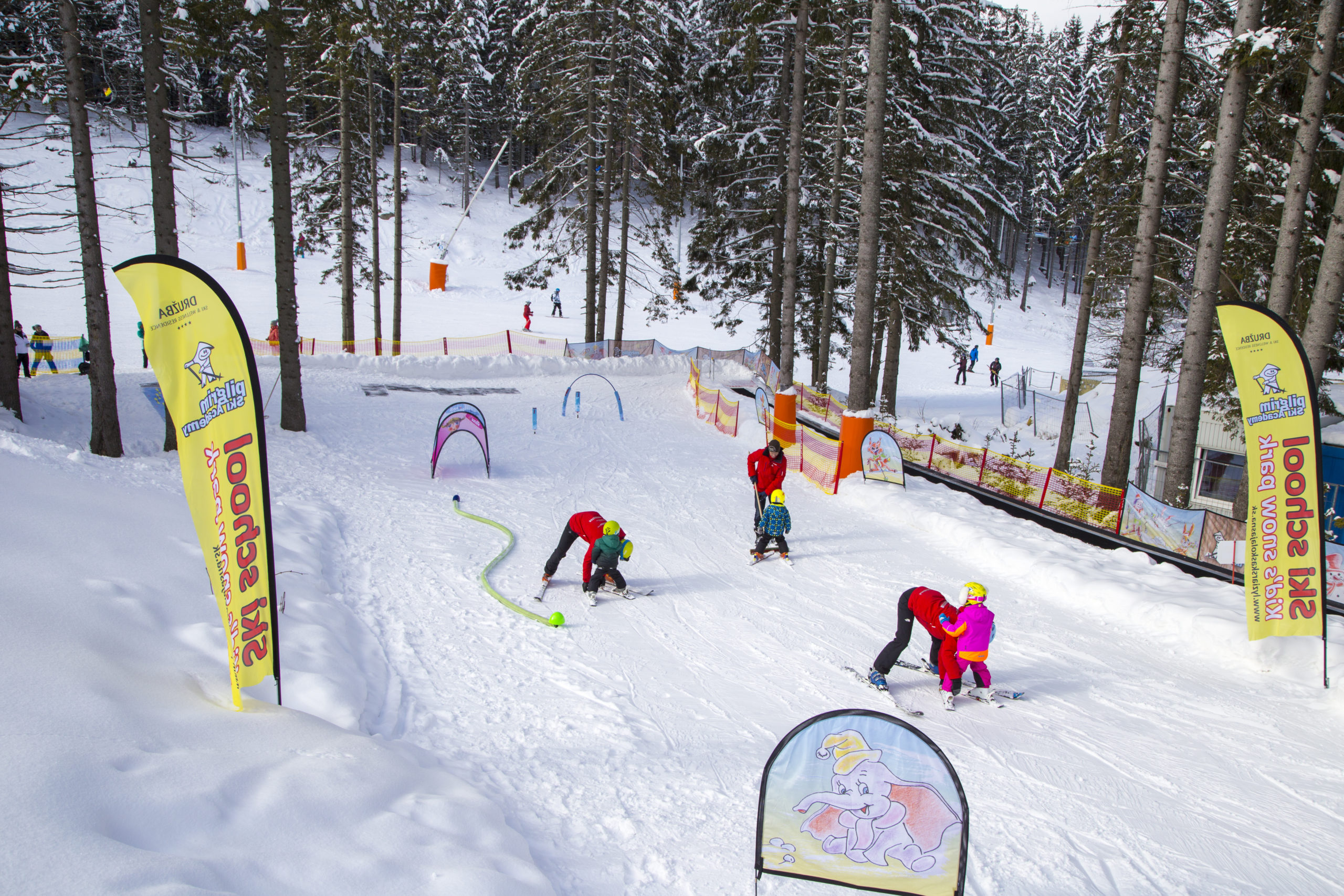
Experienced instructors already know what to do and which games and exercises to use so that young learners naturally get into the right mindset and unconsciously copy correct posture and movement. Certified instructors with hundreds of taught lessons can also be found at Ski & Wellness Residence Družba. You can simply ask about availability when booking your stay, at the hotel reception, or directly at the ski school.
Basic Equipment
If you’re considering buying children’s ski gear, the essentials are skis, ski boots, and protective equipment. Poles are often more of a distraction for complete beginners and are usually unnecessary at the start. For older and more experienced children, however, they become important. It all depends on the child’s age and skill level. If you’re renting equipment, the ski rental staff will be happy to help you choose the right setup. But to give you a basic idea, here are the key principles to follow.
Skis
The most important factor in children’s skis is length. For beginners who are just learning to stand on skis, they should not be taller than shoulder height. Shorter skis are easier to control and help children learn the basics much faster. Today, you can even find skis designed to attach directly to regular shoes. These are intended for the youngest children and are used purely for introductory practice and first steps on snow.
Poles
Ski poles are recommended mainly for more advanced skiers and older children. For complete beginners, they are unnecessary and can actually be distracting, as they don’t serve any real purpose during the first steps on skis. It’s worth considering whether your child really needs them at this stage. A full kids’ ski setup works perfectly without poles. When choosing poles, the same rule applies as for adults: when the pole is planted in the snow, the arm and the pole should form a right angle.