


Austro-Hungarian cuisine carries a mix of cultural influences that for centuries intersected across the vast monarchy. It’s a culinary tradition that reflects a rich history, diverse customs, and a wide range of flavors and experiences. It draws on unique ingredients from mountainous regions, fertile lowlands, river basins, and all the way to coastal areas.
Historical Development
This cuisine developed within the Austro-Hungarian Empire and continued evolving until the empire’s collapse after World War I. This vast imperial territory included today’s Austria, Hungary, Slovakia, parts of Croatia, Poland, Romania, and several other Central European countries. This wide cultural mix led to a culinary tradition rich in influences and diverse flavors. Its evolution didn’t stop there—traditional ingredients and dishes from the region are still being adapted, refined, and reimagined today.
Traditional Dishes
Austro-Hungarian cuisine is rich in traditional dishes that reflect the diversity of the former monarchy. Among the best-known Austrian meals is Wiener Schnitzel, a breaded and fried cutlet, typically made from veal. Another famous delicacy is Sachertorte, said to have been created by Franz Sacher in 1832 for Prince Metternich in Vienna. An essential part of Austrian cuisine is also Apfelstrudel, usually served with vanilla sauce or whipped cream.
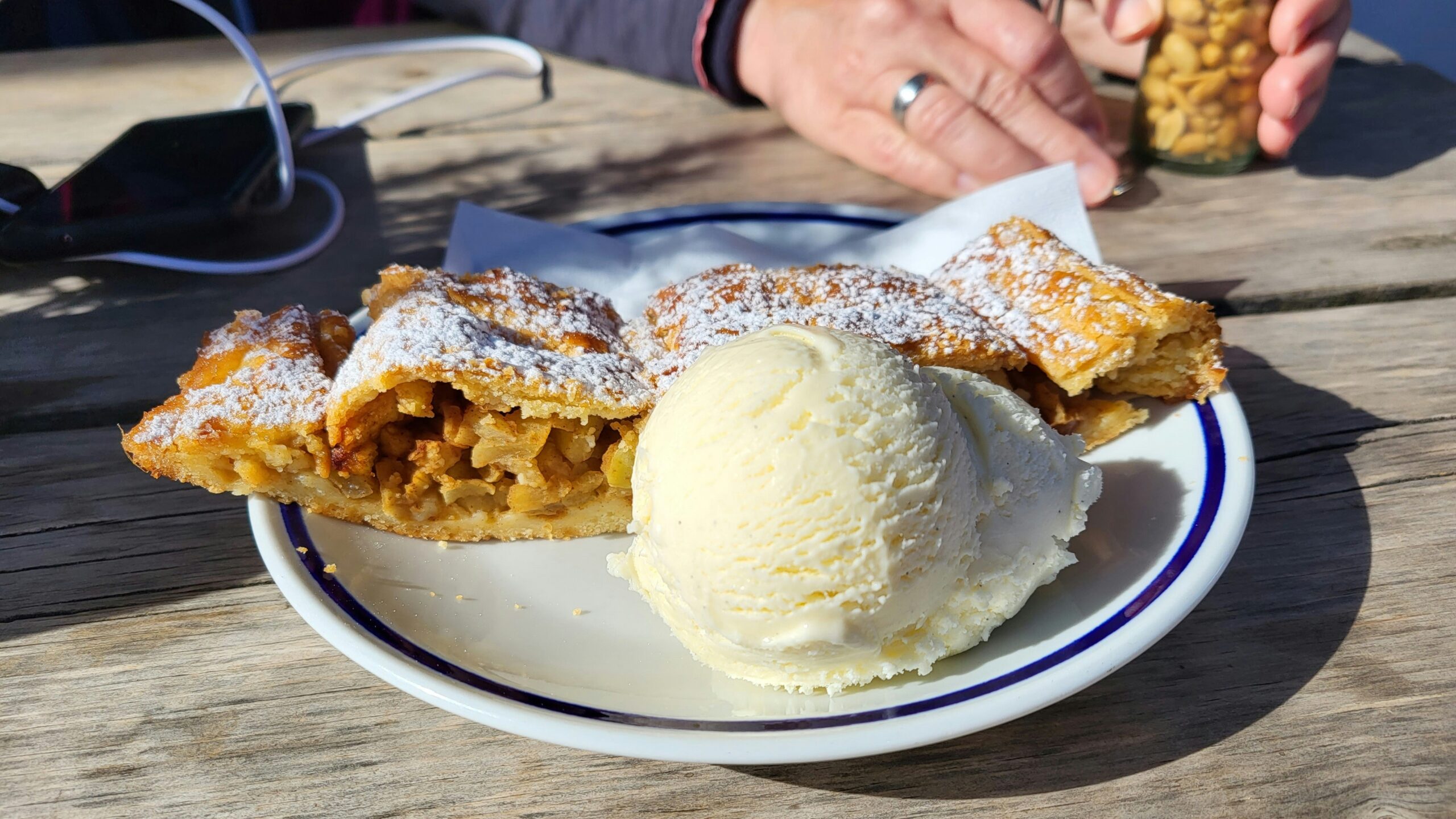
On the Hungarian side, you’ll find iconic dishes like goulash, a thick beef and paprika soup often served with dumplings, or paprikash, which is similar to goulash but commonly prepared with different types of meat. An essential part of Hungarian cuisine is also Halászlé, a rich fish soup, as well as the popular lángos, which has become a staple at nearly every swimming pool or summer food stand in Slovakia.
Poland, Romania, and Croatia
Polish cuisine offers a rich variety of dishes that also overlap with Slovak food culture. Pierogi, filled dumplings, are among the most popular dishes and come with a wide range of fillings such as potatoes, meat, or cottage cheese. Bigos, often called “Polish hunter’s stew,” is a thick dish made with sauerkraut, meat, mushrooms, and spices, commonly served during festive occasions. Żurek is a traditional sour soup made from fermented rye flour, often served with sausage, egg, and potatoes. Makowiec is a sweet pastry that’s a staple on Polish holiday tables, filled with poppy seeds, cottage cheese, or fruit.
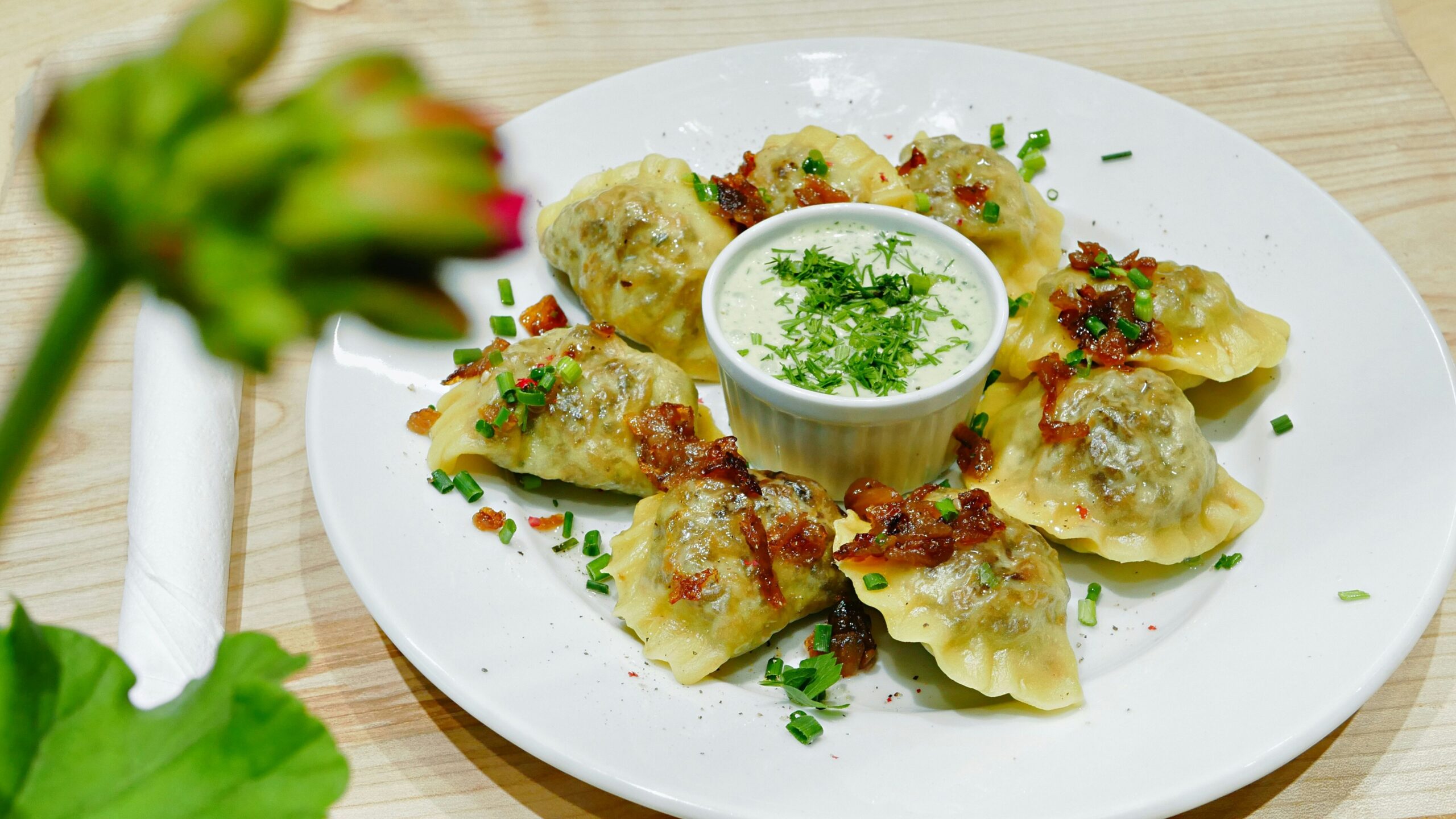
When talking about Austro-Hungarian cuisine, we can’t leave out coastal Croatia, which is rich in seafood traditions as well as grilled meat specialties. This includes pljeskavica, a well-known minced meat patty, and ćevapi, small grilled sausages that are popular across the entire Balkans. The legacy of Austro-Hungarian cuisine is still alive today. Many traditional recipes remain part of everyday eating, while others have been modernized and adapted to current food trends. Well-known chefs aren’t afraid to experiment with new flavor combinations and ingredients, keeping this culinary tradition fresh, relevant, and constantly evolving.