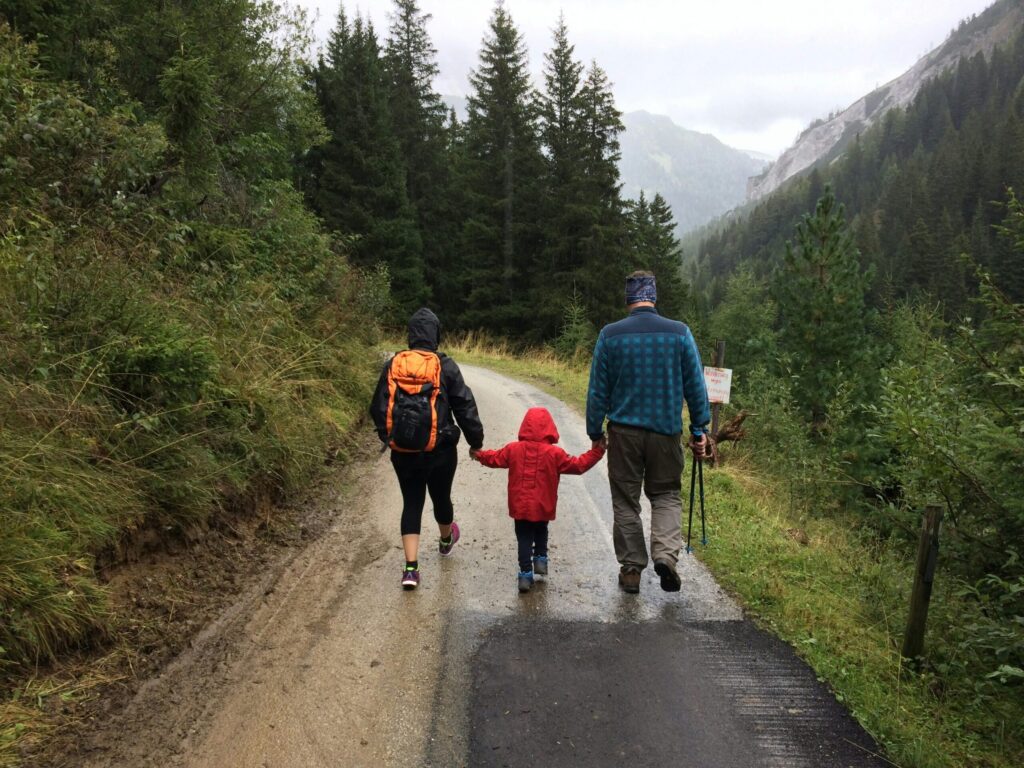


The Low Tatras National Park (NAPANT), established in 1978 and stretching between the valleys of the Váh and Hron rivers, covers an area of 728 km², with an additional 1,102 km² of protected buffer zone. By size, it is the largest national park in Slovakia. NAPANT also includes the Jasná ski resort area—one of the most popular winter holiday destinations in the country. In this article, you’ll learn more about the uniqueness of the region’s plant and animal life that you may encounter while exploring the Low Tatras.
70% covered by forest
Up to 70% of the entire Low Tatras National Park is covered by forest vegetation. The most common are mixed forests consisting of European beech, Norway spruce, silver fir, and several species of maple, especially in the western and southern parts of the range. In the area around Ski & Wellness Residence Družba, coniferous evergreen forests dominate the landscape, giving the resort a true winter fairytale atmosphere during the colder months.
Five vegetation zones
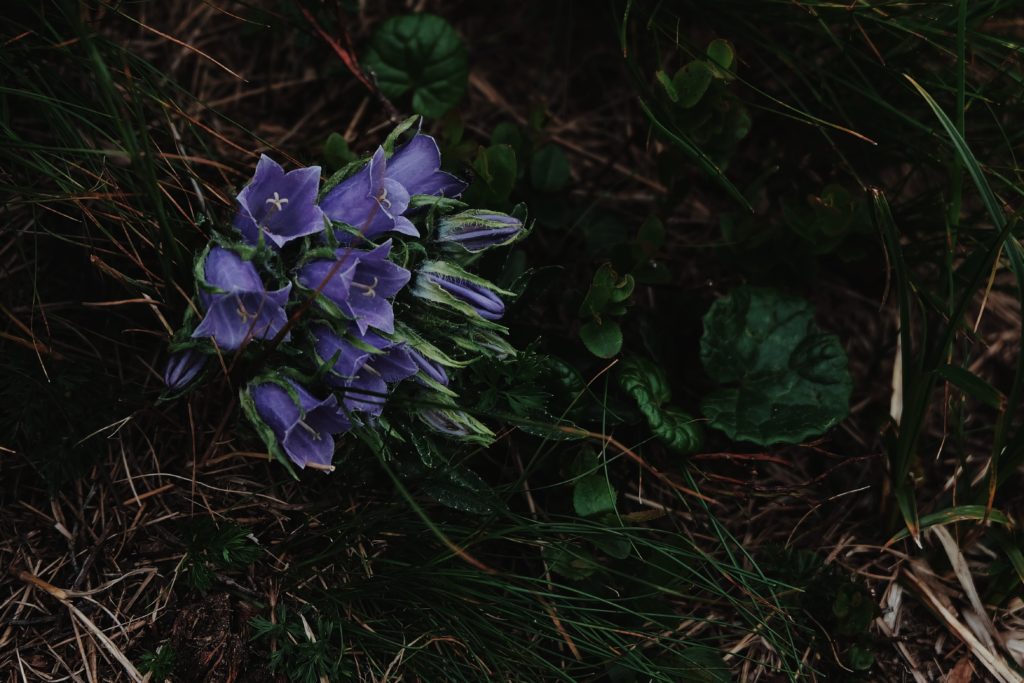
Around 1,500 meters above sea level, the landscape transitions into the dwarf pine and lichen zone. The dwarf pine belt is just one of five distinct vegetation stages in the Low Tatras. Higher up, above approximately 1,800 meters, the alpine zone begins. This area is characterized by hardy mountain plants such as cranberries and alpine bellflowers. Moving downward, the landscape gradually shifts through zones of heat-loving forests, spruce forests, and beech forests. The varied terrain, vast scale, and inaccessibility of certain parts of NAPANT contribute to a high level of biodiversity. The Low Tatras are home to many West Carpathian endemic species, rare insects, a wide range of bird species, and large mammals, including the region’s top predators.
Tatra chamois
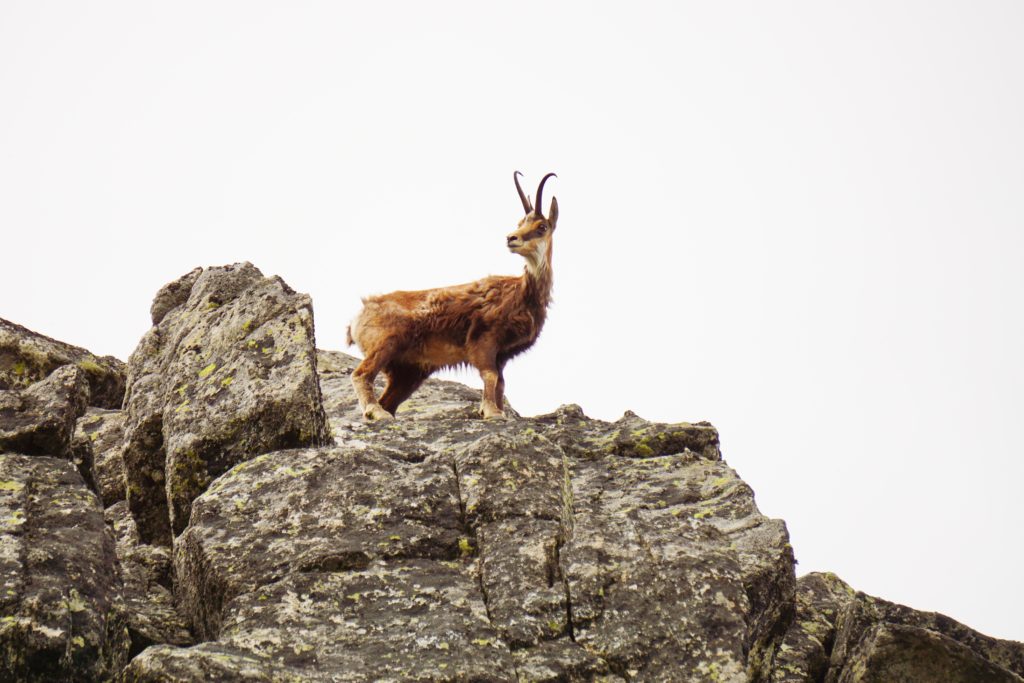
The iconic Tatra chamois, a symbol of the High Tatras, was artificially introduced into this area roughly 30 years ago. The current population was relocated from the High and Belianske Tatras in the mid-1970s. Around 30 individuals gradually multiplied, and today they can be seen grazing peacefully on the ridges across the entire alpine zone. If you’re hiking near Ski & Wellness Residence Družba, you might also come across chamois herds around peaks such as Ďumbier or Chabenec. However, sightings are always a matter of luck and timing.
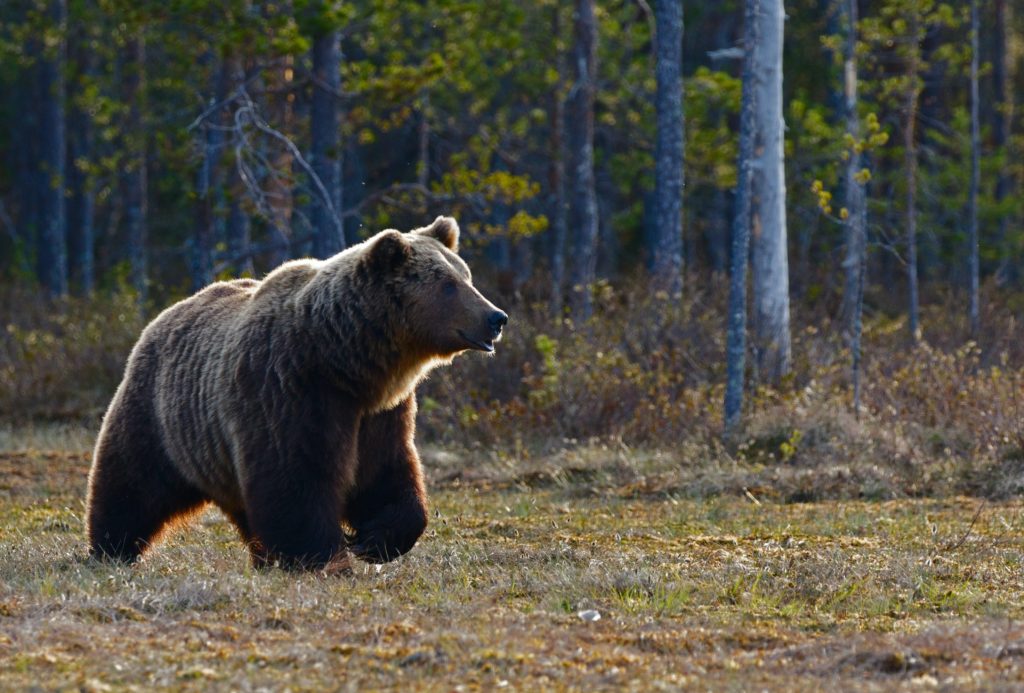
Brown bear
The Low Tatras are also home to Slovakia’s largest predator—the brown bear. This is its natural territory, which it has been gradually reclaiming over time. Historical records show that around 1930 there were only about 20 bears in Slovakia. By 1970, the population had increased to around 200–300 individuals. Today, estimates suggest roughly 1,000 to 1,500 bears.
Encounters with bears are rare, but it’s important to stay prepared. The general advice is to make noise while hiking, talk with others in your group, and carry bear spray as a precaution. Bears are usually shy animals that avoid humans. Problems typically arise only if a bear does not notice you and you get too close.
Adult females can weigh up to 200 kg, while males can reach around 350 kg. Although omnivores, about 90% of their diet consists of plant material. Only around 10% comes from carrion or occasional prey remains left by wolves or lynx, as bears are not particularly efficient hunters.
Lynx and rare bird species
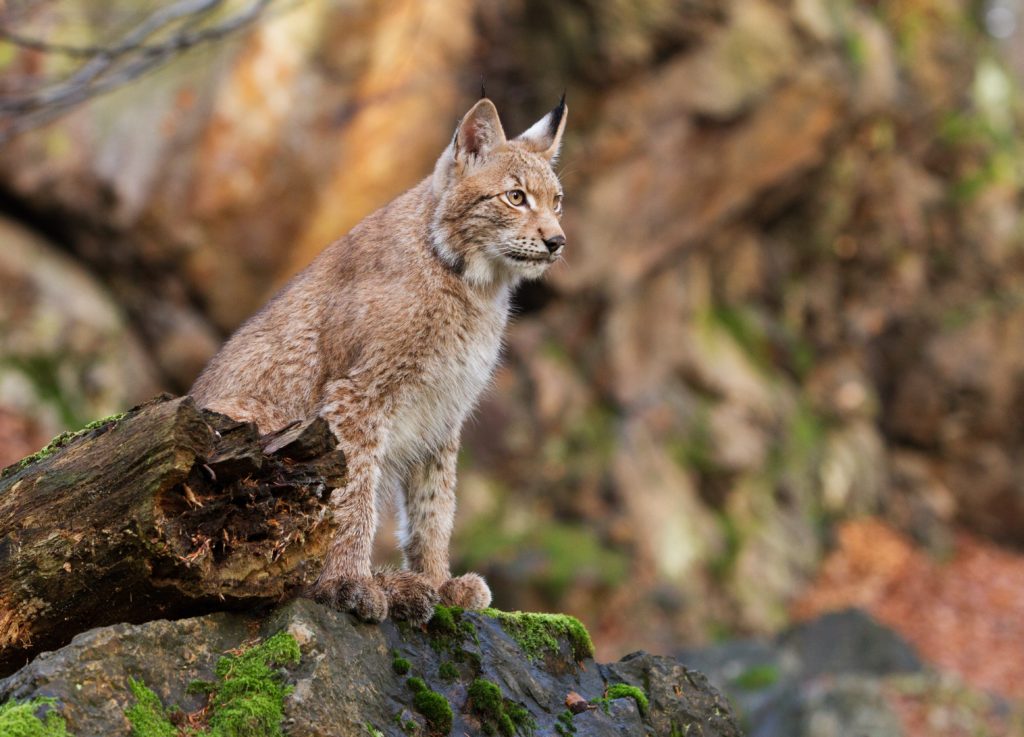
NAPANT is also home to Slovakia’s largest wild cat species—the Eurasian lynx—and the gray wolf. The unique cave systems provide habitat for up to 15 species of bats, and the area also contains nesting sites of rare bird species. When visiting, it is important to remember that this is primarily wildlife territory. Visitors should behave respectfully and minimize disturbance to natural habitats. Only then can these unique ecosystems be preserved for future generations.