

Liptov isn’t just about skiing, mountain hiking, and water sports on Slovakia’s largest reservoir. The region also offers a fascinating glimpse into its rich past. We’ve selected four historical attractions in the area that combine history, beautiful scenery, and relaxed family-friendly outings.
Havránok – the Celtic hillfort above Liptovská Mara
Roughly two kilometers from the village of Bobrovník, above the dam of Liptovská Mara, lies the archaeological site of Havránok. Perched on a hill overlooking the entire Liptov basin, this open-air archaeological museum features a reconstructed Celtic settlement from the Late Iron Age. The site is part of the Liptov Museum in Ružomberok and ranks among the most important archaeological locations in Slovakia.

Archaeologists discovered the remains of a fortified Celtic settlement belonging to the Cotini tribe at this site, including a druid sanctuary, sacrificial pit, and altar dating back to the 1st century BC. Between the 12th and 15th centuries, the area was later home to a Slavic settlement featuring a wooden fort, defensive walls, a residential tower, and eventually a stone church. Today, Havránok hosts various cultural events, including historical reenactments, sword-fighting demonstrations, traditional crafts, and Celtic ritual performances. The entire site is protected as a national cultural monument.
Museum of the Liptov Village
Near the village of Pribylina, you’ll find a unique open-air museum showcasing traditional life in Liptov. The museum was created during the construction of the Liptovská Mara reservoir, when several villages in the area were flooded. Many of the original buildings were carefully relocated here from communities that now lie beneath the water, as well as from other parts of Upper and Lower Liptov.
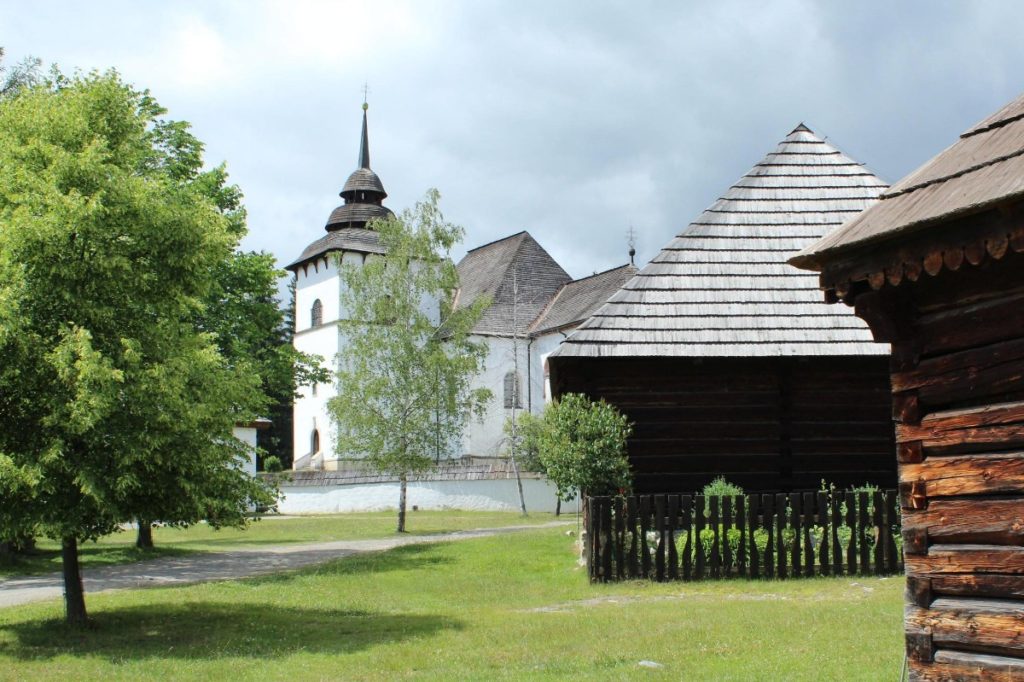 (photo: www.skanzenpribylina.sk)
Besides traditional wooden folk architecture represented by farmers’ homes, craftsmen’s houses, a blacksmith shop, fire station, and wooden bell tower, the museum also features its own small zoo exhibit. Children especially enjoy the demonstrations of traditional farm animal breeding and the Hucul horses, which visitors can even ride.
Liptov Castle
One of the region’s lesser-known and often overlooked historical landmarks is Liptov Castle, whose ruins sit atop Sestrč Hill in the Choč Mountains. At roughly 1,000 meters above sea level, it was once the highest-altitude castle in Slovakia.
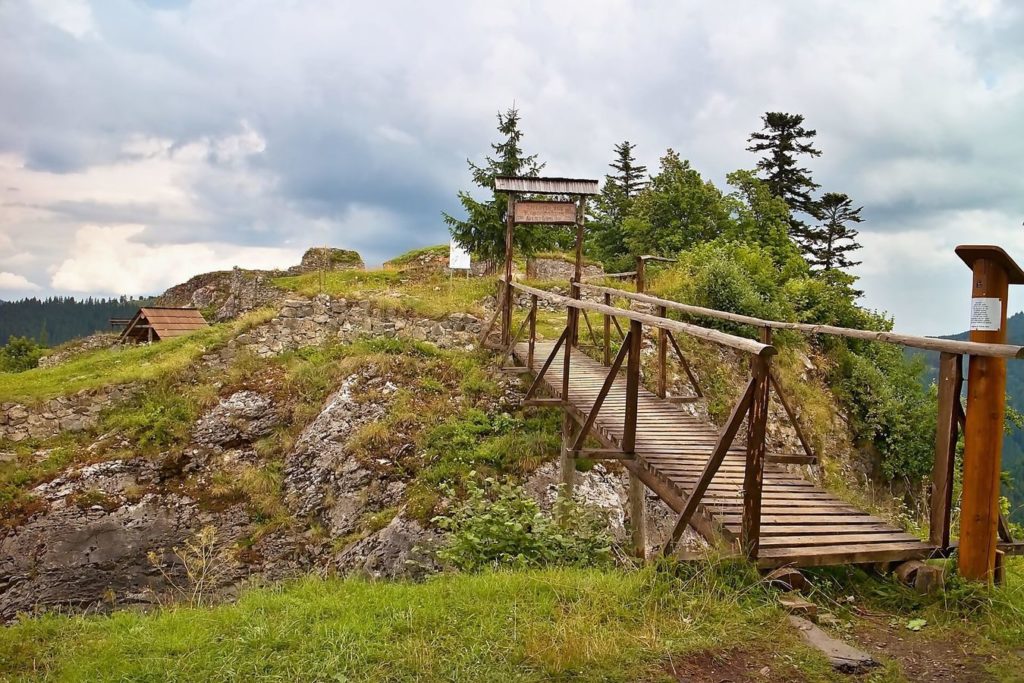 (photo: slovakia.travel)
The castle can be reached via a hiking trail starting in the village of Kalameny, which is also known for its freely accessible natural thermal spring—a popular attraction for both tourists and locals. The round-trip hike to the castle ruins, whose first written mention dates back to 1226, takes about two hours, or around three hours with smaller children. Your reward at the top is another spectacular panoramic view across the Liptov region.
The Oblazy Mills in Kvačianska Valley
Alongside Demänovská and Žiarska Valleys, Kvačianska Valley ranks among the most popular and frequently visited natural areas in Liptov. Visitors are drawn here not only by the beautiful scenery, but also by the historic wooden water mills at Oblazy. These traditional mills were built in the first half of the 19th century along an old trade route connecting Liptov and Orava with neighboring Poland.
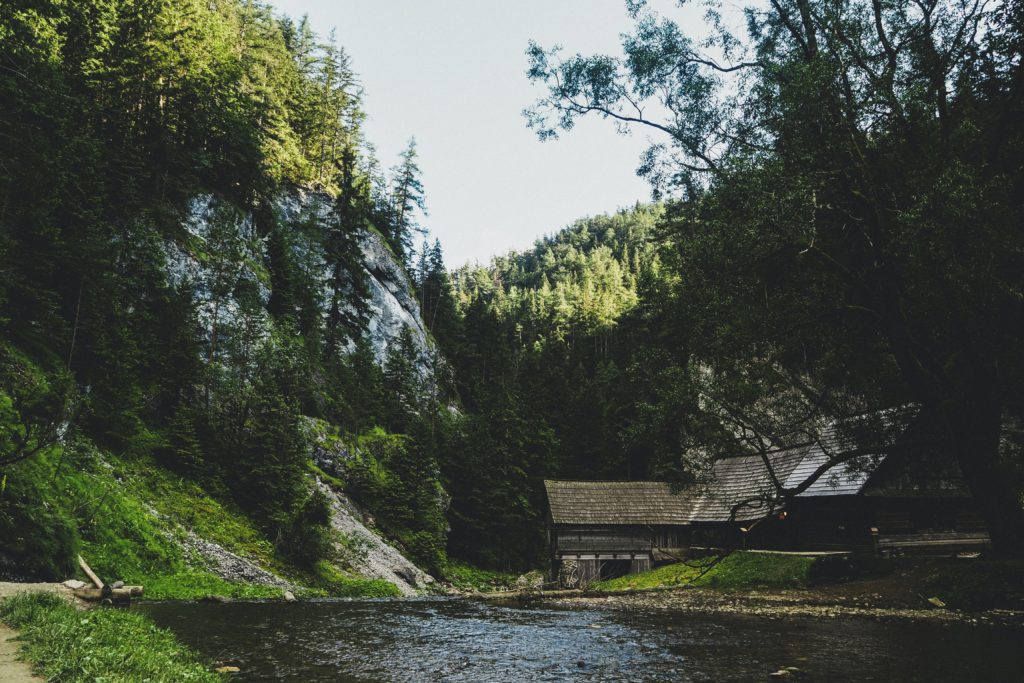
The mills have a truly magical atmosphere that instantly transports visitors back in time. Walking through the area feels as if time has briefly stopped in this quiet corner of Liptov. Oblazy can be reached from both Kvačianska Valley and Prosiecka Valley. More experienced hikers can plan a longer loop route through Veľké Borové, which includes a few ladders and slightly more technical sections—still manageable for older children and active families.