


Fermentation, this ancient method of food preservation, has gained major attention in recent years thanks to its remarkable health benefits and distinctive flavors. But what exactly is fermentation, and why should we be adding more fermented foods to our diets?
Fermentation is a biological process that transforms food through microorganisms such as bacteria, yeast, and molds. These microorganisms break down complex compounds in food—like sugars and starches—into simpler substances such as lactic acid, alcohol, or carbon dioxide. This process is far from new. Fermented foods have been part of human diets for thousands of years across cultures all over the world.
Fermentation has deep roots in Slovakia too, and it’s not just another modern health trend. One of the most common and beloved fermented staples in Slovak cuisine is sauerkraut, a basic food of our ancestors. It was valued for its long shelf life, versatility, and high content of beneficial nutrients and vitamins.
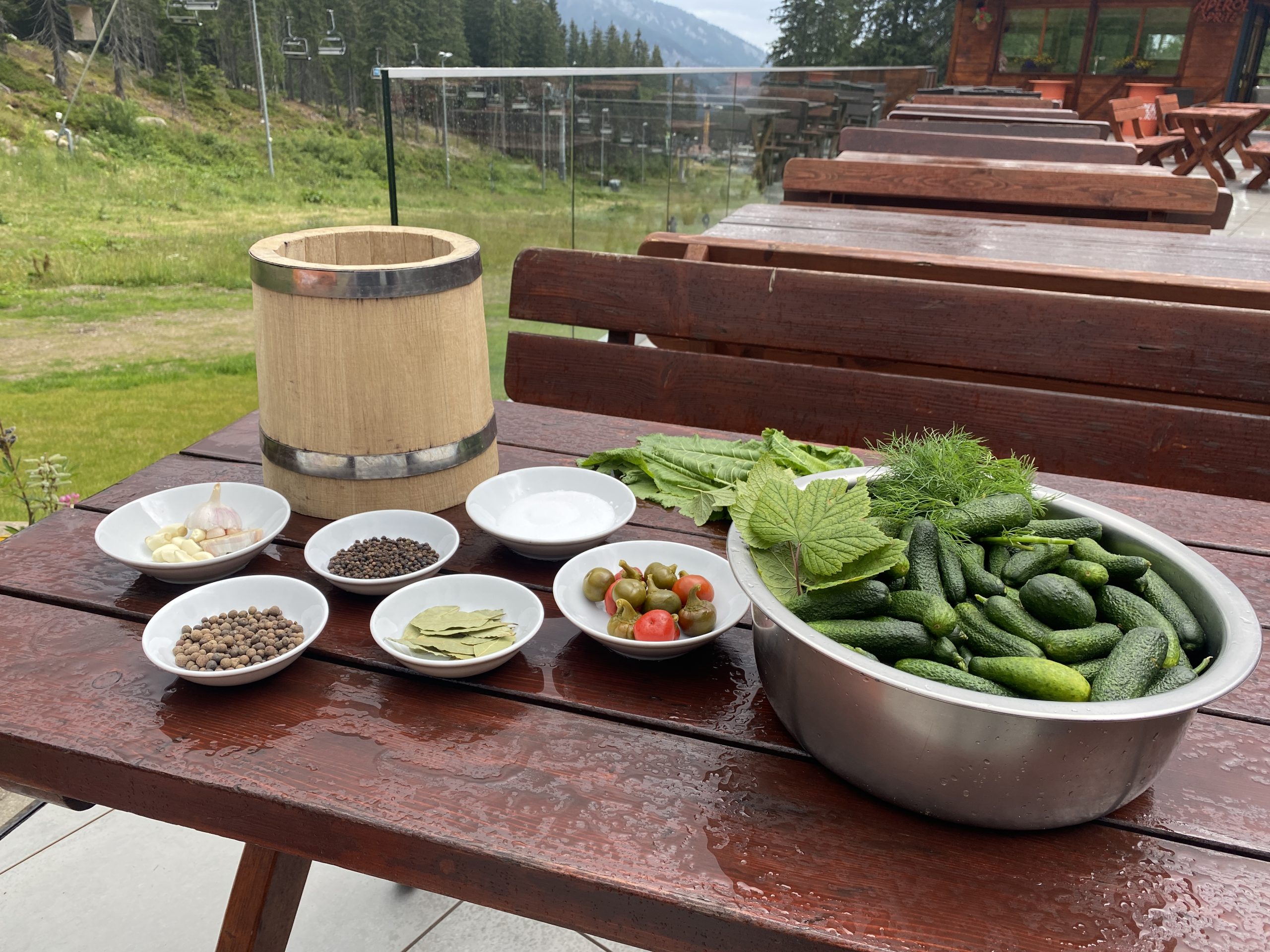 The Process of Making Pickles
What makes fermented foods so special?
Improved digestion: Fermentation can support digestion because the microorganisms involved in the process produce enzymes that help break down food. This can make digestion easier and may help reduce issues like bloating or heartburn.
Better nutrient absorption: During fermentation, certain nutrients become more bioavailable, making them easier for the body to absorb. For example, the lactic acid found in yogurt may help improve calcium absorption.
Immune system support: The probiotics created during fermentation can have a positive effect on immune health. Since a healthy digestive system plays a major role in overall wellness, gut health is closely tied to the body’s natural defenses.
Rich in probiotics: Fermented foods are often packed with probiotics—live beneficial microorganisms that support digestive balance. These probiotics can help maintain a healthy gut microbiome and improve digestive comfort.
Longer shelf life: Fermentation is one of the oldest natural methods of food preservation. It helps foods last longer without the need for artificial preservatives.
Flavor variety: Fermentation creates unique flavors and textures. From sourdough bread to spicy kimchi, fermented foods can add depth and diversity to your diet.
Support for mental well-being: Some research suggests that a healthy gut may also positively influence mental health and overall well-being, highlighting the strong connection between the gut and the brain.