


Easter is one of the most important Christian holidays, symbolizing the arrival of spring, the rebirth of nature, and the resurrection of Jesus Christ. Easter in the Liptov region also comes with its own unique traditions that have been preserved for generations.
The Egg – A Symbol of Rebirth
One of the most iconic Easter traditions in Liptov is decorating Easter eggs, known as kraslice. The egg, a symbol of life and renewal, is traditionally dyed using natural ingredients such as onion skins. Each color carries its own symbolic meaning. Red represents love and passion, green symbolizes the rebirth of nature, and yellow stands for the sun and the end of the long winter season.
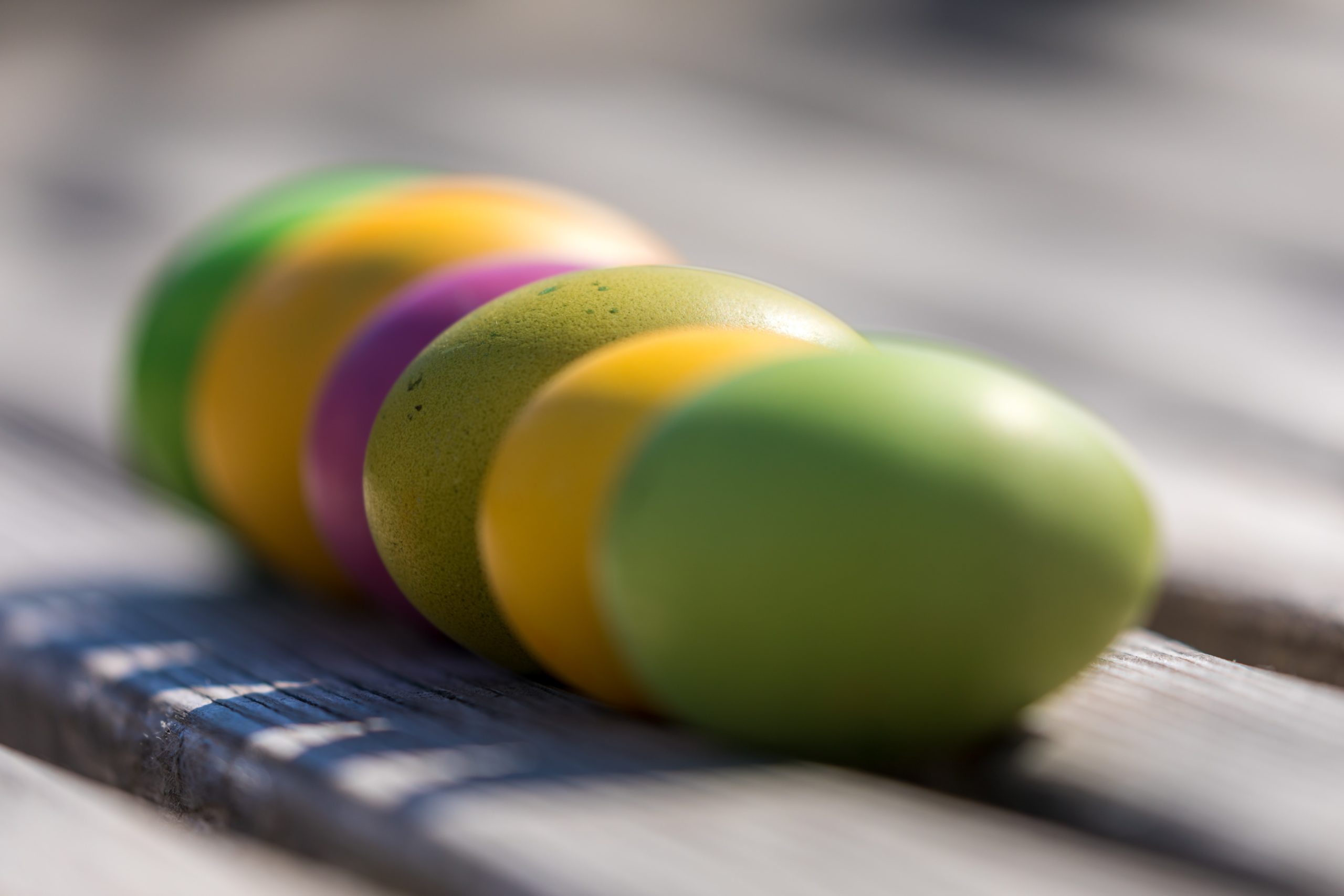
Over time, a variety of decorating techniques evolved, including batik-style waxing, where melted wax is applied to the egg with a needle before dyeing it. Another traditional method is wire wrapping, a craft inherited from the region’s famous tinkers and wire artisans. The town of Liptovský Mikuláš even hosts an annual competition for the most beautiful Easter egg, continuing a tradition of friendly rivalry among folk artists that has existed for generations in villages and families throughout the region. Beyond decorating, Liptov also keeps alive a playful Easter custom known as “egg tapping.” Two people each choose an egg and knock them against one another. The person whose egg remains uncracked wins.
Easter Whipping and Water Pouring Traditions
On the final day of Easter celebrations, people across Slovakia—including the Liptov region—take part in the traditions of whipping and water pouring. The farther west you go, the more common whipping becomes, while eastern Slovakia is known more for dousing girls with water. In Liptov, both traditions became deeply rooted, even though they may seem a bit intense by today’s standards. These customs carry symbolic meaning. Ice-cold water collected from mountain streams and poured from buckets was believed to bring young women health, beauty, and fertility.
The traditional Easter whip, known as a korbáč, is made from eight to twelve fresh willow branches. In the past, it was considered a magical ritual symbolizing youth, vitality, fertility, and growth. The whipping itself was believed to protect girls from illness and ward off evil. Even the colorful ribbons woven into the whip had meaning. Red symbolized love, blue represented hope, yellow meant indifference, and green ribbons were given by girls to boys they particularly liked. In return, girls rewarded the boys with decorated Easter eggs and plenty of food and drinks. In some places, the celebrations continued into Tuesday, when the roles reversed and girls were allowed to splash and whip any man they met on the street.

Traditions on the Plate
Easter celebrations also come with a rich set of traditional foods. The carnival and slaughter season comes to an end, and after 40 days of fasting, Holy Wednesday marks the close of Lent and the beginning of Easter preparations. On Wednesday, it was customary for housewives to serve deliberately imperfect dishes, even if the cooking itself went well. For example, if they made potato pancakes, they would intentionally tear them while preparing them. On Green Thursday, green foods were always on the menu. Meals were often prepared from fresh spring greens, legumes, parsley, or young nettles. Various braided pastries and crackling-based pancakes were also baked and served alongside spring soups.

On Good Friday, tradition called for fasting. Those who couldn’t stick to it would prepare fish—or a substitute made from potato dough shaped like a fish. Hearty soups were also common, made from sauerkraut, spinach, beans, peas, or potatoes. On Holy Saturday, the long fast ended and a festive feast began. The main dish was Easter stuffing, and no table was complete without mazanec, a traditional sweet Easter bread. The highlight of the entire Easter period, from a food perspective, was Easter Sunday. Every household set a festive table and served the richest dishes they could afford—dumplings, pastries, and various meat dishes. A baked lamb, either made from meat or sweet dough, was a must-have centerpiece. On Easter Monday, egg-based dishes played an important role, symbolizing new life and renewal.